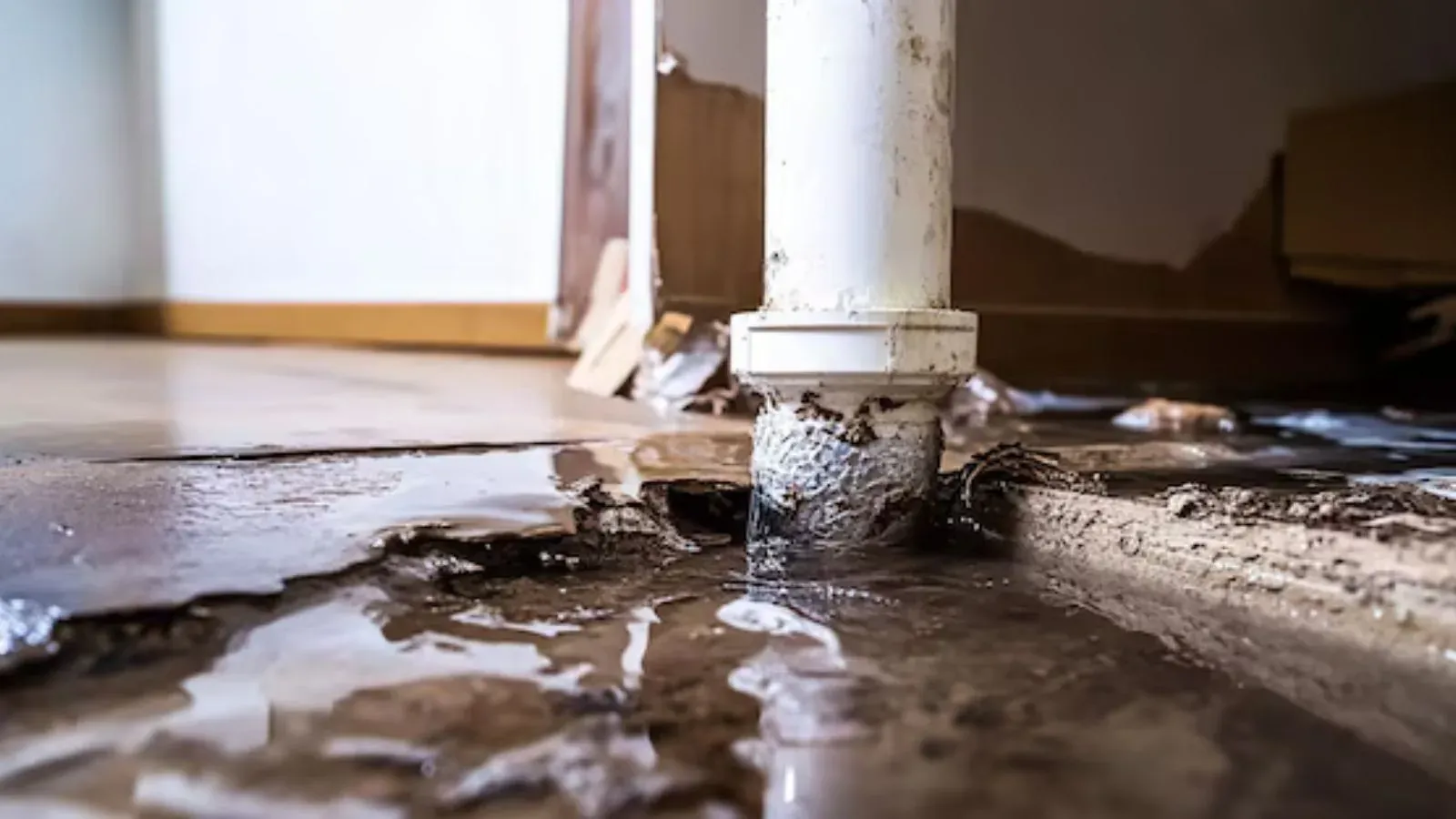
Signs of a Slab Sewer Problem
- A tub or floor drain that backs up when other fixtures run.
- Sewage smell indoors with no clear source.
- Floor cracks or damp spots along the line of the drain.
- Repeated clogs after cable cleaning.
- A camera showing a break or sag inside the house footprint.
Under-slab sewer lines carry all the house's waste to the yard. If one fails, there is no easy way around it. The first step is always a camera inspection. Our sewer inspection service shows where the break is, how far it is from the cleanout and how deep.
Option One: Break the Slab and Repair
The plumber cuts and removes a section of concrete above the damaged pipe, digs down, replaces the bad section and restores the concrete. It is direct and works for one or two problems in a short run.
It is also noisy and dusty, and flooring over the cut must be patched. In a home with tile or wood, the patch may not match. Plan for dust protection and a few days of work.
Option Two: Tunneling Under the Slab
Tunneling digs a small access pit outside the house and tunnels beneath the slab to reach the pipe. It leaves floors intact. It is slower and needs enough soil strength to hold the tunnel. The plumber must judge whether the soil will hold the tunnel safely.
Option Three: Reroute Overhead or Around
A reroute abandons the damaged section and runs a new line, often through the attic or around the outside of the house. It suits a long run with failures along its length. It does not always work, since drain lines depend on slope, and an overhead route may not have enough fall.
Slab Drain Backing Up?
Call the 24/7 line. A plumber can be sent to your address.
Option Four: Trenchless Lining
A resin liner is cured inside the old pipe. It needs access at a cleanout and a pipe that holds its shape. It does not fix a collapsed or severely offset pipe. It works well for cracks and joints along a line.
| Method | Floor disruption | Best for | Limits |
|---|---|---|---|
| Break the slab | High, in a small area | One or two failures | Dust, patching, matching floors |
| Tunnel | None indoors | Soil that holds a tunnel | Slow, soil dependent |
| Reroute | Low to medium | Long run of failures | Needs enough slope |
| Lining | Low | Cracks in intact pipe | Cannot fix collapse |
Moncks Corner Notes
Moncks Corner sits about 33 feet above sea level beside the West Branch of the Cooper River and gets roughly 52 inches of rain a year. Wet ground complicates digging under a slab, since a tunnel or pit needs pumping and shoring. The plumber plans for that before work begins.
Ask the Town of Moncks Corner Building Department whether a slab repair needs a permit, because rules vary.
What About Insurance
Some policies cover access and repair when a sewer line failure causes sudden damage. Others exclude wear. Ask your agent before work starts, and keep the camera video and the plumber's notes.
Questions to Ask Your Plumber
- Which of the four methods fit my pipe and soil?
- How much floor will be opened, and who patches it?
- Will the camera be run again after repair?
- How long will the toilets and tubs be out of service?
- What is the plan if the pipe is worse than the camera showed?
Our sewer line repair page explains how we plan each job. If you are near Goose Creek, the Goose Creek page shows our service area.
Living in the House During Repairs
In most cases you can stay, but plan for loud noise, dust and time without some fixtures. Move furniture away from the work area and cover vents. Ask the plumber for a daily plan so you can arrange laundry and showers.
How the Camera and Locator Work Together
The camera head carries a small transmitter. A locator at the surface picks up the signal and reads the depth. The plumber marks the spot on the floor, so any cut is as small as possible. The distance counter on the camera cable adds a second check. Together they place the break within inches.
For under-slab work, this precision matters more than for any other repair. A cut that misses by a foot costs extra concrete work and extra days.
Preparing the House for Slab Work
- Move furniture and rugs from the work area.
- Cover vents and doorways to limit dust.
- Plan for a few days without a toilet or shower on the affected line.
- Protect pets and children from the work zone.
- Photograph the floor before work begins for your records.
Ask the plumber how the slab will be restored. A patch with matching concrete is typical. Tile or wood on top is a separate trade, and you may want a flooring quote in advance.
Permits, Inspection and Records
Concrete work under a house is the kind of project where a record matters at resale. Ask whether a permit is needed, and keep the camera videos from before and after. If the repair is inspected, keep the inspection sign-off. A buyer's inspector will ask for these, and having them ready avoids delays at closing.
Also ask the plumber how the new pipe is bedded and backfilled. Good bedding prevents the sag that causes the next clog. Compacted fill under the new section keeps it level for the long term.
Finally, ask for a written scope that names the method, the length of pipe and the surface restoration. That single page prevents most disputes after the concrete has been poured.
Standards and Sources
Slab repairs are measured against the International Plumbing Code (IPC) for slope, bedding and cleanouts, and excavation outside the house starts with a call to 811.
Under-Slab Sewer Questions
Sometimes. Tunneling, lining or rerouting avoids breaking the slab in many cases.
A camera shows it, and a locator marks its position and depth at the surface.
A spot repair often takes a few days including concrete. Rerouting and tunneling take longer.
Yes when the pipe holds its shape and has access. It cannot fix a collapse.
The patch may show. Ask the plumber what finish is included.
Coverage varies. Ask your agent.